
Speakers
& Special Sessions
Speakers
Invited speakers
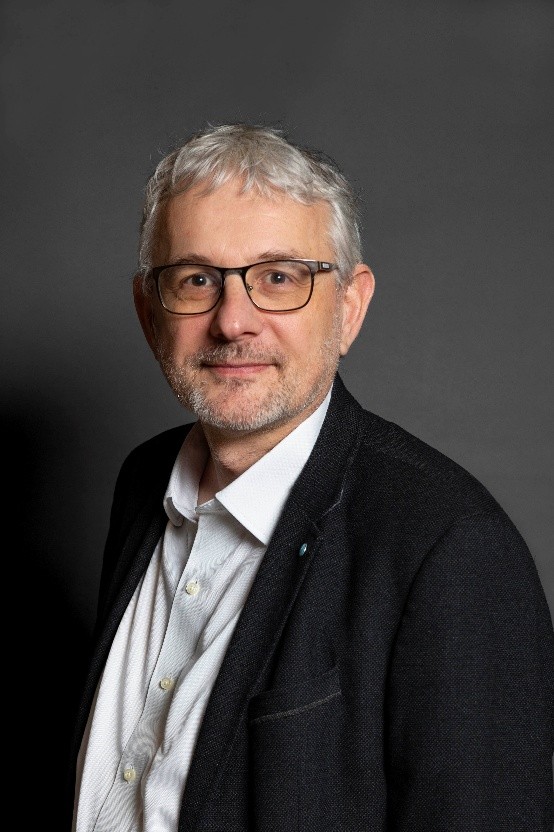
Marc Bonnissel
GTT, France
Marc Bonnissel holds a PhD in Chemical Engineering and is a Chemical Engineer with more than 30 years of experience in process engineering, heat transfer, and thermodynamics. Currently serving as Thermodynamic Modeling Referent at GTT (Gaztransport & Technigaz), he specializes in the development and application of advanced thermodynamic models for LNG technologies and ship operations. His career spans a broad range of industrial challenges, phase change materials, chemical energy storage, deepwater thermal insulation, heat exchanger design and optimization, flow assurance, and coupled thermal-hydraulic systems. Marc holds more than 10 international patents and has authored over 15 peer-reviewed publications. An alumnus of ENSIC and LSGC Nancy, he combines strong scientific foundations with extensive industrial experience in applied thermodynamics and process modeling.
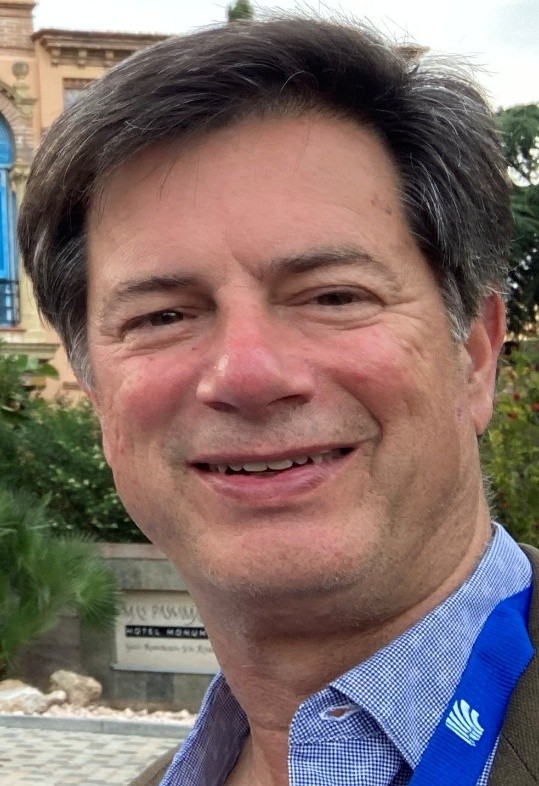
Richard Elliott
University of Akron, USA
Richard Elliott is a coauthor of The Properties of Gases and Liquids, 6ed, Introductory Chemical Engineering Thermodynamics, and the Thermodynamics section of Perry’s Chemical Engineers’ Handbook. He has also published over 90 papers and been lead editor on two special issues of Industrial and Engineering Chemistry Research: (1) Thermodynamics Needs of the Chemical Industry (2023) (2) The Evolution of Molecular Modeling into A Chemical Engineering Tool (2010). Subjects of his research include equation of state development, hydrogen bonding and association effects, integral equation treatments of fluid structure, surface tension, critical phenomena, discontinuous molecular dynamics, and Zwanzig’s and Wertheim’s formulations of thermodynamic perturbation theory. After teaching for 33 years at The University of Akron, he has been teaching “Thermo Around the World.” His teaching emphasizes steady feedback and assessment, facilitated through effective use of learning management systems like Blackboard, Springboard, and Moodle.
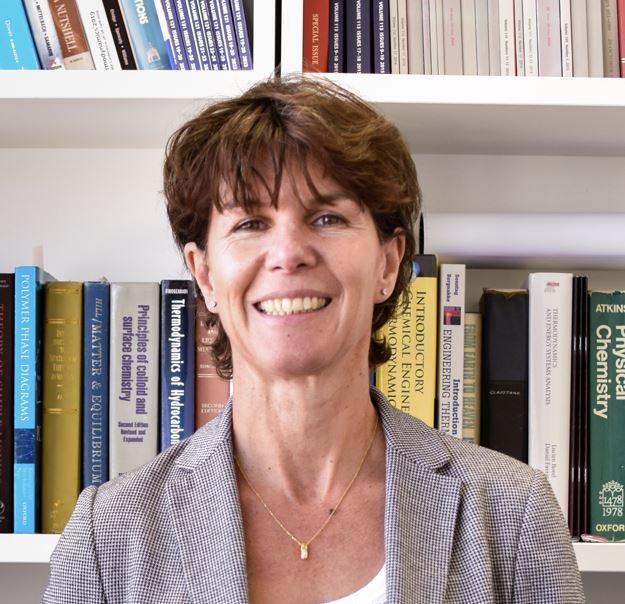
Amparo Galindo
Imperial College London, UK
Amparo Galindo is a Professor of Physical Chemistry in the Department of Chemical Engineering at Imperial. She received a bachelor degree in Chemistry from the University Complutense of Madrid, and a PhD in physical chemistry from the University of Sheffield. She works developing statistical mechanical approaches for complex fluids, delivering molecular theories suitable for solvent and process design. Her group works at the forefront of the development of SAFT methods for property prediction. She was made a Lilly/RAEng Chair in Pharmaceutical Molecular Systems in 2018, and awarded the 2023 Guggenheim Medal of the Institution of Chemical Engineers for her work in thermodynamics of complex fluids. She is a fellow of the Royal Society of Chemistry and the current Editor in Chief of the journal Fluid Phase Equilibria.
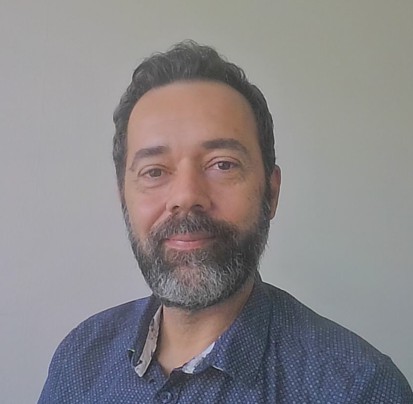
Guillaume Galliero
Université de Pau et des Pays de l'Adour, France
Guillaume Galliéro is Professor of Physics at the Université de Pau et des Pays de l’Adour (UPPA), France, and Deputy Director of the Laboratory of Complex Fluids and their Reservoirs (LFCR, CNRS-UPPA). His research lies at the interface between molecular thermodynamics, transport phenomena and multiscale modelling, with a particular focus on connecting molecular-scale descriptions to macroscopic fluid behaviour. His work spans thermophysical properties, diffusion and thermodiffusion, interfacial phenomena and transport in confined fluids, with applications ranging from fundamental fluid science to subsurface energy systems, including hydrogen and CO₂ storage. He has authored more than 120 peer-reviewed publications and has developed extensive academic and industrial collaborations in applied thermodynamics and geo-energy.
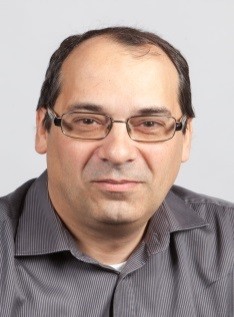
Georgios Kontogeorgis
Technical University of Denmark
Georgios M. Kontogeorgis is Professor of Applied Thermodynamics at the Technical University of Denmark (DTU). He is the leader of the “KT-Consortium” and he has been for a period of 6 years also chairman of the Center for Energy Resources Engineering (CERE-DTU). He is the author of 370 articles in peer-review journals and of four books, two of them being monographs. He has supervised/is supervising over 60 PhD students and post-doctoral researchers. He has received several awards and distinctions, among others Knight’s Cross of the Order of Dannebrog (2022) – awarded by Her Majesty, the Queen of Denmark; Member of Danish Academy of Technical Sciences (2021); European Research Council Advanced Grant “New Paradigm in Electrolyte Thermodynamics” (April 2019) and ERC Proof of Concept (2024); and EFCE Excellence Award in Applied Thermodynamics (June 2018).
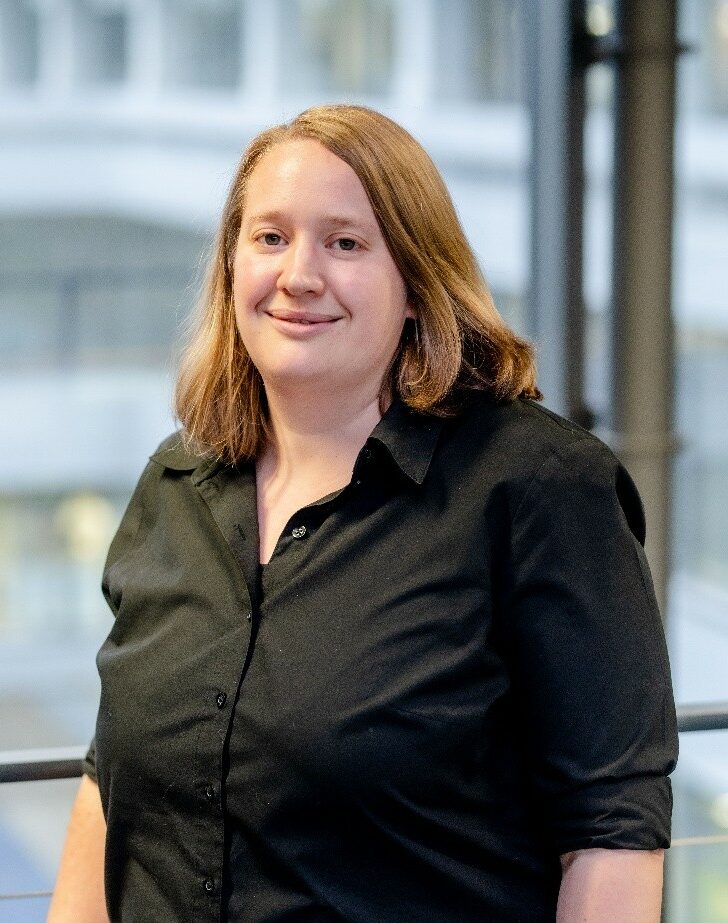
Monika Thol
Ruhr University Bochum, Germany
Dr.-Ing. Monika Thol is a senior researcher and Head of the group “Accurate Modeling of Thermophysical Property Data” at the Chair of Thermodynamics at Ruhr University Bochum. She studied Environmental Engineering and Resource Management and received her doctorate in Thermodynamics. Her scientific work focuses on the accurate modeling of thermodynamic and transport properties of pure fluids and mixtures, with applications in energy and process engineering. She has extensive international experience, with multiple research stays at the National Institute of Standards and Technology (NIST). She is also actively engaged in international teaching and academic collaboration, including the Mechanical Engineering program at the Vietnamese-German University in Ho Chi Minh City.
ESAT Rising Stars Speakers
exceptionally promising early-career researchers from both academia and industry
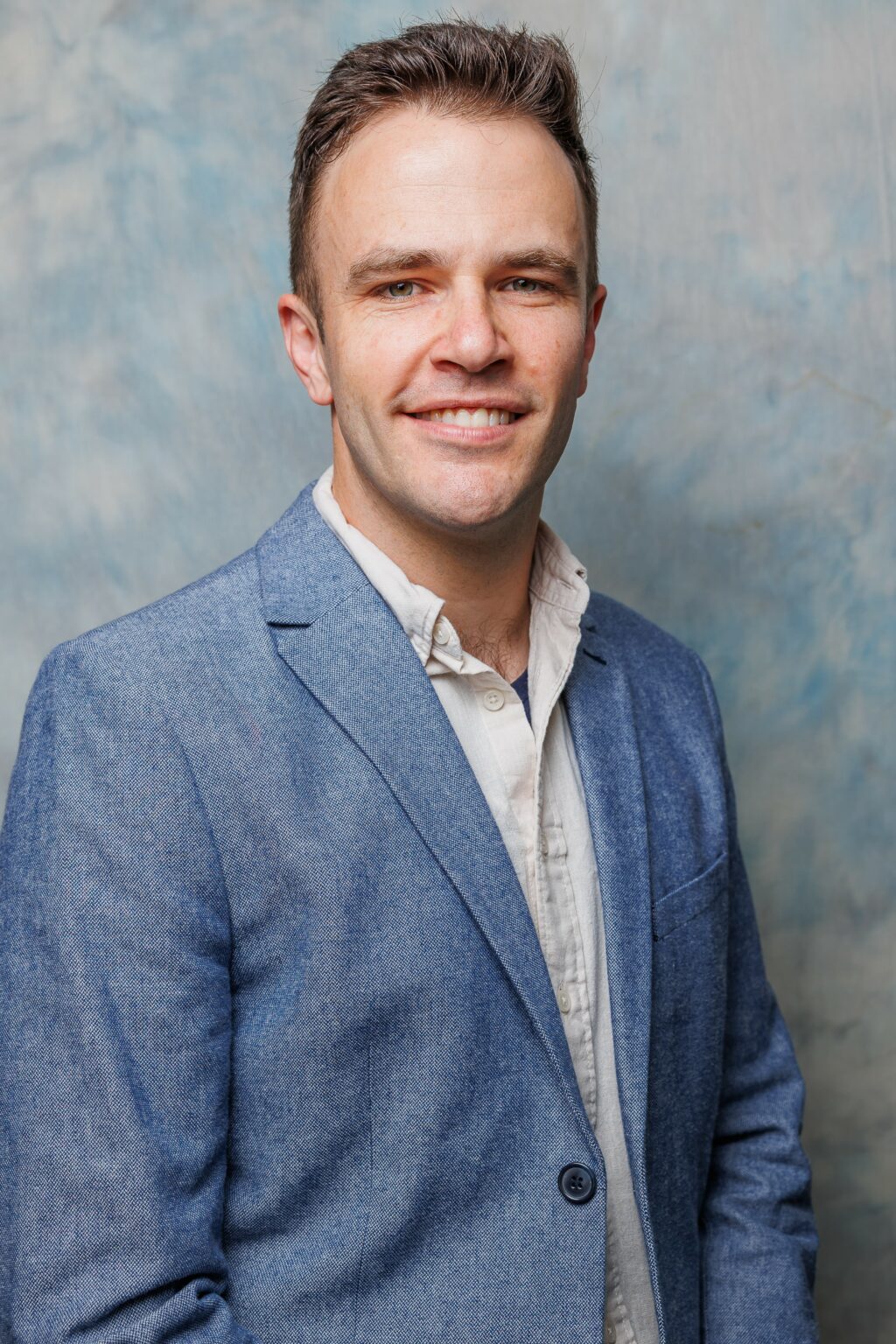
Jamie Cripwell
University of KwaZulu-Natal, South Africa
Jamie Cripwell is an Associate Professor of Chemical Engineering at Stellenbosch University, South Africa, where he co-leads the Separations Technology research group. He holds a Y1 rating from the National Research Foundation and is a fellow of the Future Professors Programme of the Department of Higher Education and Training. In 2025 he was named Researcher of the Year by Stellenbosch University’s Faculty of Engineering. His work sits at the intersection of thermophysical property measurement and applied thermodynamic and data-driven modelling, with a focus on generating the data that underpins the systematic development and improvement of SAFT-type equations of state. He is particularly interested in what applied thermodynamics can offer South Africa’s bio-based chemical, agrochemical and pharmaceutical industries.
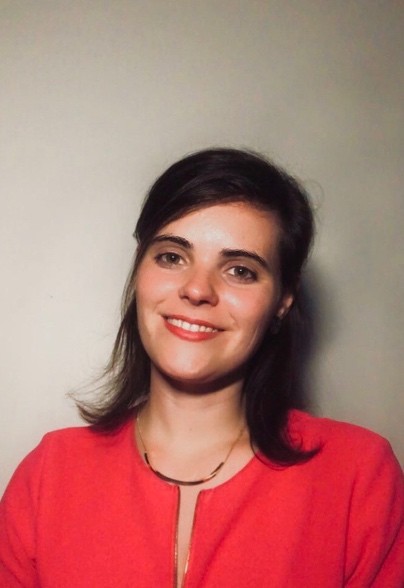
Florence Vermeire
University of South Carolina, USA
Fabian Jirasek
RPTU Kaiserslautern-Landau, Germany
Fabian Jirasek has been Full Professor of Thermodynamics and head of the Laboratory of Engineering Thermodynamics (LTD) at RPTU Kaiserslautern since 2024. Before that, he was Carl Zeiss Foundation Junior Professor for Machine Learning in Process Engineering at RPTU and held postdoctoral positions at the Technical University of Munich and the University of California, Irvine. Since 2023, he has headed an Emmy Noether Research Group funded by the German Research Foundation (DFG). His research develops hybrid models that merge machine learning with physical knowledge to predict thermophysical properties, from phase equilibria to transport phenomena. He also works on active learning and experimental design, automated experimentation, NMR spectroscopy, and chemical process monitoring and design.
Stefanie Walter
AbbVie, USA
Stefanie Walter (born Dohrn) studied Chemical Engineering at TU Dortmund University and completed her PhD at the Chair of Thermodynamics under the supervision of Professor Gabriele Sadowski. She currently works as a Senior Scientist at AbbVie, where she has been involved in pharmaceutical formulation design and development for the past five years. Her work focuses on the development and evaluation of formulations, including aspects related to their performance, stability, and manufacturability.
Special Sessions
In Memory of Evelyne Neau
A special session will be held in memory of Evelyne Neau, in recognition of her scientific contributions and her involvement in the thermodynamics community.
Further details about the session and invited contributions will be announced soon.
Workshop on Artificial Intelligence – EFCE AI4CE
Industrial Use of Thermodynamics – IUT 8
ESAT 2027 will also host the 8th Industrial Use of Thermodynamics Symposium (IUT 8).
This edition will focus on transport properties, bringing together researchers and industrial experts to discuss recent advances, applications and challenges in the field.
More information on the programme will be available soon.